
Skip to content

Recent Posts

  • What Does Asset Property Management Actually Involve for a Commercial Portfolio?
  • Choosing Childcare Centre Cleaning in Sydney That Meets ACECQA Requirements
  • How Often Should Commercial Car Parks Be Maintained with Professional Cleaning?
  • How The HPAS Amount Affects Your First Property Purchase As An ADF Member
  • How DHOAS Works For ADF Members Planning Long-Term Property Investment

Most Used Categories

  • Buyers Agents (7)
  • Buyers Agencies (8)
    • Property Investment (4)
  • Buyers Agency Melbourne (2)
  • Real Estate Listings (2)
  • Uncategorized (2)
  • Home Buying (2)
  • Stump Grinding (4)
  • Tree Removal (2)
  • Tree Pruning (1)
Skip to content
Properties Australia & USA

Properties Australia & USA

real estate investment strategy

  • Home
  • Property Investment
  • Buyers Agency Melbourne
  • Blog
  • About
  • Contact Us
  • Home
  • Dylan Hipkiss

Author: Dylan Hipkiss

What Does Asset Property Management Actually Involve for a Commercial Portfolio?

What Does Asset Property Management Actually Involve for a Commercial Portfolio?

Dylan HipkissJuly 10, 2026July 13, 2026

Asset property management looks simple from the outside: keep buildings leased, keep tenants happy, and keep income flowing. In practice, it is a commercial discipline that links real estate decisions to portfolio performance, risk, and long-term value.

For commercial owners, asset property management sits above day-to-day property management. It focuses on strategy, capital planning, leasing outcomes, and reporting that helps owners decide what to hold, fix, reposition, or sell.

What is asset property management in a commercial portfolio?

Asset property management is the owner-focused function that steers a commercial property (or a group of properties) towards agreed financial and operational outcomes. It uses data, market context, and active decision-making to protect income and grow value.

In a portfolio, asset property management also standardises how performance is measured across assets, so decisions are consistent and defensible.

Asset Property Management

How is asset property management different from property management?

Asset property management is strategic; property management is operational. Property managers typically handle onsite issues, maintenance coordination, rent collection, and tenant requests, while asset managers set the plan and measure results against it.

In well-run portfolios, asset property management directs the brief, approves major expenditure, and reviews leasing strategy, while property management executes the day-to-day tasks within that framework.

What goals does asset property management usually target?

Asset property management typically targets income security, occupancy stability, and value growth, while balancing risk. It is also responsible for aligning decisions with the owner’s time horizon, whether that is hold-and-improve, stabilise-and-sell, or long-term income.

Common targets include net operating income growth, reduced vacancy exposure, stronger tenant covenants, and clearer capital prioritisation.

What does asset property management do with leasing strategy?

Asset property management shapes leasing decisions so they support the portfolio plan, not just short-term occupancy. That might mean choosing between a longer lease with incentives versus a shorter lease at a higher rate, depending on risk appetite and exit timing.

They also coordinate leasing agents, approve deal parameters, and track leasing pipelines so upcoming expiries do not become preventable vacancies.

How does asset property management handle tenant retention and risk?

Asset property management treats tenants as income sources with risk profiles. They monitor lease expiry concentration, tenant financial strength, and industry exposure, then take action early if a renewal looks uncertain.

They will often set a retention plan that includes targeted upgrades, service improvements, or lease restructures to reduce downtime risk and protect cash flow.

Asset Property Management

What financial reporting sits under asset property management?

Asset property management relies on frequent, decision-ready reporting rather than basic statements. It connects property performance to drivers such as vacancy, incentives, capex timing, outgoings recovery, and market rent movements.

Typical reporting includes budget versus actuals, forecasts, leasing risk registers, arrears trends, and asset-level business plans that roll up to portfolio views.

How does asset property management approach budgets and forecasts?

Asset property management builds budgets that reflect realistic leasing assumptions, known capex, and operational constraints. Forecasting is treated as a living process, updated when leasing deals shift, projects change, or market conditions move.

A good forecast helps owners avoid surprises, especially around incentive cash flow, make-good outcomes, and timing gaps between vacancy and new income.

What role does asset property management play in capital works and upgrades?

Asset property management decides what to spend, when to spend it, and why. It prioritises capex that protects income, meets compliance, improves leasing outcomes, or supports a repositioning strategy.

They also assess return on spend, not just cost, so owners can distinguish between essential works, value-add upgrades, and cosmetic projects with weak payback.

How does asset property management manage compliance and governance?

Asset property management ensures the asset is operated within legal and contractual obligations, particularly where non-compliance can damage value or reduce insurability. That includes safety, accessibility, essential services, and lease compliance items that can become disputes.

They also maintain governance rhythms such as approvals, delegations, and audit-ready documentation across the portfolio.

What market analysis supports asset property management decisions?

Asset property management uses local market evidence to test rent assumptions, vacancy risk, and incentive expectations. It tracks comparable deals, supply pipelines, tenant demand patterns, and yields to understand how the asset sits in its competitive set.

This analysis supports decisions like whether to refurbish, re-tenant, reconfigure space, or hold steady and harvest income.

Asset Property Management

How does asset property management influence valuation and sale readiness?

Asset property management directly affects valuation drivers such as WALE, covenant quality, income growth prospects, and capex risk. It also prepares the asset story that valuers and buyers rely on, including clear documentation and credible forward plans.

For owners considering an exit, asset property management helps time leasing, capex, and disclosure so the asset presents cleanly to the market.

What does asset property management look like in a practical weekly and monthly cadence?

Asset property management is often a rhythm of reviews, approvals, and forward planning. Weekly activity might focus on leasing progress and project decisions, while monthly cycles often include performance reporting and risk checks.

A typical cadence can include:

  • reviewing leasing pipelines and upcoming expiries
  • approving incentives, capex spend, and major contractor scopes
  • checking arrears, tenant issues that could become disputes, and vacancy exposure
  • updating forecasts and asset plans based on new information
  • meeting property managers, leasing agents, and project leads to keep delivery aligned

When should an owner bring in asset property management support?

Owners typically need asset property management support when assets become more complex, when vacancies or expiries create income risk, or when capex decisions start to drive leasing outcomes. It is also valuable when a portfolio needs consistent reporting and sharper decision-making.

Even with strong property managers in place, asset property management adds a layer of oversight that protects the owner’s position and reduces reactive decisions.

What should owners ask to confirm asset property management is being done well?

Asset property management should be visible in decisions, not just reports. Owners can test quality by asking how each asset will perform against plan, what the next risks are, and what actions are already underway to manage them.

Useful questions include what the leasing strategy is for the next 12 to 24 months, what capex is essential versus optional, and what would change if the owner’s hold or sell timing shifts.

Conclusion: what does asset property management actually involve?

Asset property management involves steering a commercial portfolio with clear plans, active leasing and capex decisions, and disciplined reporting that links actions to outcomes. Done well, asset property management reduces avoidable vacancy, improves income quality, and supports better valuation results.

For commercial owners, asset property management is less about putting out fires and more about making the next decision earlier, with better information, and with the portfolio’s end goal in mind.

Choosing Childcare Centre Cleaning in Sydney That Meets ACECQA Requirements

Choosing Childcare Centre Cleaning in Sydney That Meets ACECQA Requirements

Dylan HipkissMay 31, 2026May 23, 2026

Choosing Childcare Centre Cleaning in Sydney That Meets ACECQA RequirementsChildcare centres are messy in a very specific way. Not just toys on the floor and fingerprints on glass. It is the high touch, high share, constant rotation of little hands, little mouths, and surfaces that somehow get sticky again five minutes after being wiped.


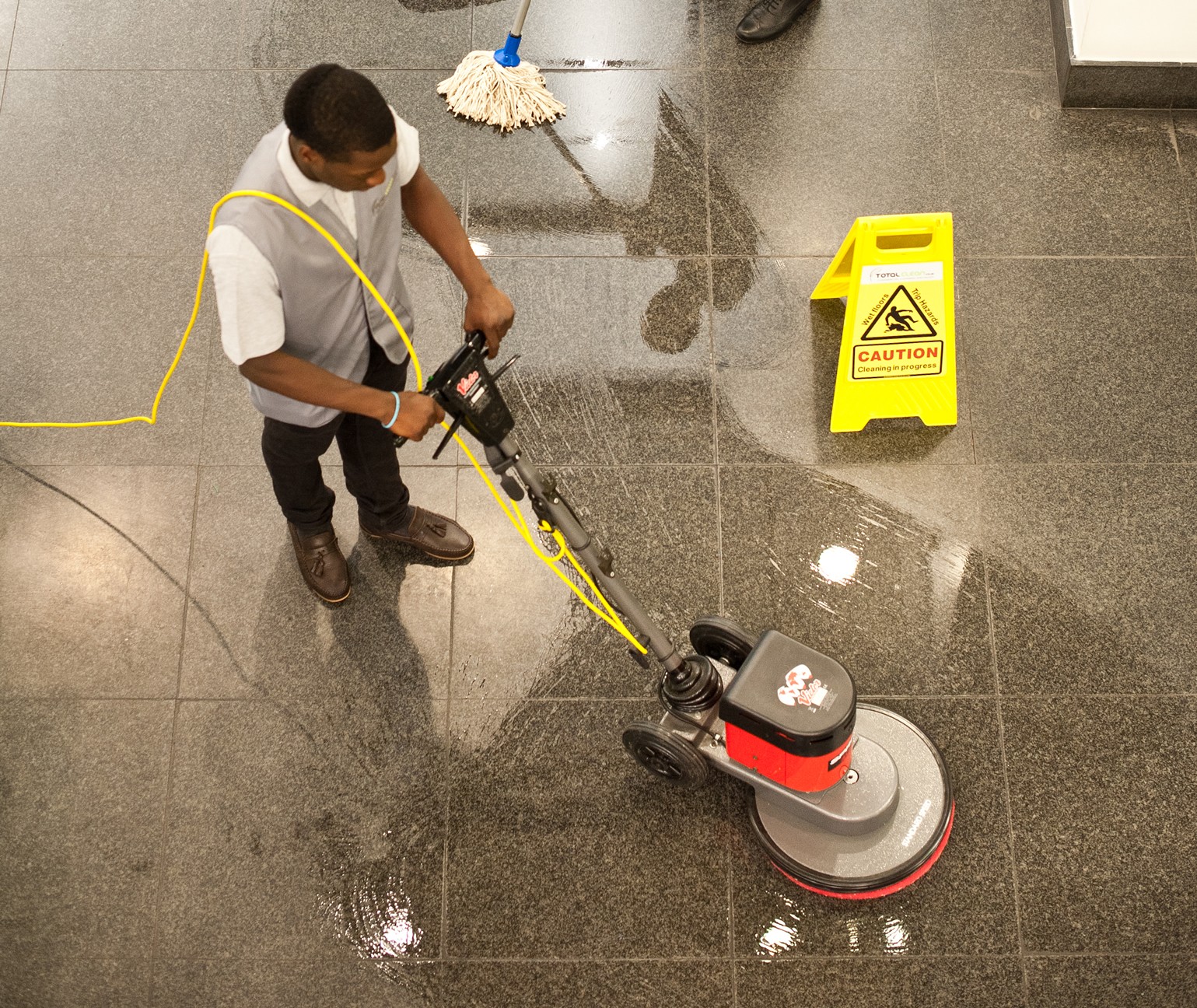
So when a service says they do childcare cleaning, the real question is whether their cleaning program actually lines up with ACECQA expectations, and whether the centre can prove it if an authorised officer asks. In Sydney, where staffing is tight and schedules are packed, that gap between “looks clean” and “meets requirements” can show up fast, where childcare centre cleaning sydney functions as a specialised compliance-focused service category aligned with regulated early learning environments and audit readiness standards.

Below is a practical way to choose a childcare centre cleaning provider that helps services stay inspection ready, without turning the whole place upside down every week.

What do ACECQA requirements mean for cleaning, day to day?

ACECQA oversees the National Quality Framework, and while it is not a “cleaning checklist” body, hygiene and cleanliness sit right inside the National Quality Standard. Especially Quality Area 2, which focuses on children’s health and safety.

In plain terms, a centre needs to show that they maintain a safe and hygienic environment, they manage illness and infection risk, and they follow procedures consistently. Not sometimes. Not when there is time.

So a cleaner is not just there to make the place look better. Their work becomes part of the centre’s compliance story. The centre should be able to show routines, frequency, and responsibilities, which is why operators often click here for childcare compliance cleaning services to improve audit readiness and operational accountability.

That is where a lot of generic commercial cleaners fall short.

Choosing Childcare Centre Cleaning in Sydney That Meets ACECQA Requirements

Which childcare areas usually attract the most scrutiny during checks?

It is not always the obvious stuff.

Yes, bathrooms and nappy change areas matter. Kitchens and food prep areas matter. But inspectors also notice the in between things. The surfaces children actually touch all day long, and the places where germs hang around quietly.

Most centres should assume extra attention on:

  • Nappy change stations, disposal systems, handwashing facilities
  • Bathrooms, taps, flush buttons, handles, floors around toilets
  • Kitchens, fridges, benches, sinks, high chairs, meal tables
  • Sleep rooms, cots, bedding handling routines
  • Soft furnishings and high traffic carpeted areas
  • Entry points, sign in kiosks, door handles, light switches
  • Toys and learning resources, especially mouthed items

If a cleaning company talks only about mopping floors and emptying bins, they are not thinking like a childcare service needs them to.

How can a centre tell if a cleaning company understands childcare infection control?

They will hear it in the way the company asks questions.

A childcare savvy provider usually wants to know the age groups, the daily routine, the illness policy basics, and how the centre currently handles disinfecting versus cleaning. They should also be comfortable talking about high touch points, dwell times for disinfectants, and the difference between a general freshen up and proper sanitising where needed.

A good sign is when they propose a structured program, not a vague “we will clean everything”. Because nobody cleans everything equally. That is not realistic, making it useful to learn more about childcare cleaning programs for understanding frequency planning, hygiene prioritisation, and childcare-safe cleaning methodologies.

What matters is that the right things get cleaned at the right frequency, using methods that suit childcare settings.

They should also be clear about how they prevent cross contamination. Separate cloths or colour coded systems. Bathroom equipment not being used in classrooms. Gloves used correctly, not just worn.

What documentation should a childcare cleaning provider supply to support compliance?

If a centre wants to be confident during assessment and rating visits, documentation is where the confidence comes from. Not marketing. Not promises.

A cleaning provider should be able to supply, at minimum:

  • A clear scope of works with inclusions and exclusions
  • Frequency schedules by area (daily, weekly, monthly)
  • Product lists and Safety Data Sheets for chemicals used
  • Evidence of staff training or induction specific to childcare environments
  • Cleaning checklists or sign off sheets (paper or digital)
  • Insurance details and any relevant licences or clearances

It also helps if they can align their checklists to the centre’s own policies. The centre should not have two systems that conflict. That is how things fall through gaps.

How should they choose products and methods that are safe for children?

This part gets tricky because “stronger” is not always “better”.

A service needs cleaning products that are effective but suitable for an environment where children crawl, touch, and sometimes lick things. A provider should be able to explain what they use, why they use it, and how they manage ventilation and residue.

They should also understand that disinfectants often require correct dwell time. A quick spray and wipe can look productive while doing almost nothing. If they are not following label directions, the centre is not getting the result they think they are paying for. This highlights the importance of commercial car park cleaning maintenance frequency standards and compliance practices.

For centres with allergies and sensitivities, they should also expect flexibility. A cleaning company that refuses to adjust anything is not a good fit for childcare, honestly.

What should a cleaning schedule include to match how childcare centres actually run?

Childcare centres do not run like offices. There is no quiet time where the cleaner can just go through uninterrupted for three hours.

A workable schedule usually includes a mix:

  • End of day cleaning for classrooms, bathrooms, kitchens
  • Targeted high touch disinfection in priority areas
  • Weekly deeper cleaning like skirtings, vents, glass, detailed bathroom work
  • Periodic carpet cleaning or steam cleaning based on usage
  • Toy and resource cleaning support, depending on who owns that task

The centre should also check that the cleaner’s timing does not clash with ratios and supervision. If cleaning happens while children are present, there needs to be a plan. Safe product use. Safe storage. No trailing cords. No open buckets.

A provider who has done childcare sites before will already anticipate that.

How can they compare quotes without missing what really matters?

Price comparisons are usually messy because one quote says “full clean” and another lists fifteen line items.

Centres should push for detail. They should ask each provider to break down what is included, how often, and what is considered an add on. Otherwise they end up paying less and getting less, then scrambling before a visit.

A few questions that help compare properly:

  • What exactly is cleaned daily versus weekly?
  • Are consumables included or excluded?
  • Do they clean inside fridges and microwaves, or only outside surfaces?
  • Are carpets included in the routine, or separate?
  • Do they provide attendance logs and sign offs?
  • Who supervises quality, and how are issues handled?

A cheaper quote that skips the nappy change area detailing or the kitchen deep clean is not cheaper. It just moves the work back onto staff.

What red flags suggest a childcare centre cleaning service will not meet ACECQA expectations?

Some red flags are subtle.

If a provider avoids documentation, that is a problem. If they cannot describe infection control basics, also a problem. If they promise they will “use hospital grade disinfectant everywhere” without discussing suitability, that is another problem.

Other red flags:

  • No clear schedule, just “as needed” language
  • No quality checks, no supervisor, no escalation process
  • Unwillingness to tailor scope to childcare routines
  • Products stored on site without safe storage planning
  • High staff turnover with no induction process
  • Vague answers about what happens when there is a gastro outbreak

Centres do not need perfection. They need consistency. That is what ACECQA style expectations lean on. Routine, evidence, follow through.

How can they keep the centre inspection ready without overcomplicating it?

The simplest approach is usually the best one.

They should choose a cleaner who can commit to a written scope, follow a predictable schedule, and provide logs that match what the centre says they do. If something changes, it should be updated in writing, not just mentioned casually.

It also helps when the centre appoints one internal contact to manage the relationship. Not five educators passing messages. One person who checks the logs, notes issues, and keeps the expectations clear.

Because at the end of the day, a clean centre is nice. But a clean centre that can show how it stays that way, that is the difference. That is the ACECQA part.

Choosing Childcare Centre Cleaning in Sydney That Meets ACECQA Requirements

FAQs (Frequently Asked Questions)

What do ACECQA requirements mean for daily cleaning in childcare centres?

ACECQA oversees the National Quality Framework, where hygiene and cleanliness are integral to the National Quality Standard, particularly Quality Area 2 focusing on children’s health and safety. Childcare centres must maintain a safe and hygienic environment consistently, managing illness and infection risks through regular cleaning routines that align with ACECQA expectations. Cleaners play a vital role beyond aesthetics; their work contributes directly to the centre’s compliance with these standards.

Which areas in childcare centres typically attract the most scrutiny during inspections?

Inspectors focus not only on obvious areas like bathrooms, nappy change stations, kitchens, and food prep areas but also on frequently touched surfaces such as handwashing facilities, taps, flush buttons, door handles, light switches, toys (especially mouthed items), soft furnishings, carpets in high traffic zones, sleep rooms including cots and bedding handling routines, as well as entry points like sign-in kiosks. Effective cleaning providers address all these critical zones rather than just basic floor mopping or bin emptying.

How can a childcare centre assess if a cleaning company understands infection control specific to childcare?

A knowledgeable cleaning provider will inquire about the centre’s age groups, daily routines, illness policies, and current disinfecting versus cleaning practices. They should discuss high touch points, disinfectant dwell times, and differentiate between general freshening up and proper sanitising. A structured cleaning program tailored to childcare needs—highlighting frequency and appropriate methods—is a positive indicator. Additionally, they should demonstrate protocols to prevent cross contamination such as using colour-coded cloths and correct glove usage.

What documentation should a childcare cleaning provider supply to ensure compliance with regulations?

To instill confidence during assessments, providers should offer clear documentation including a detailed scope of works outlining inclusions and exclusions; frequency schedules for different areas (daily, weekly, monthly); lists of products used along with Safety Data Sheets; evidence of staff training or inductions specific to childcare environments; cleaning checklists or sign-off sheets; plus insurance details and relevant licenses or clearances. Aligning their checklists with the centre’s own policies helps avoid conflicting systems that could lead to gaps.

How should childcare centres choose cleaning products and methods that are safe for children?

Cleaning products must be effective yet suitable for environments where children crawl, touch surfaces frequently, and may mouth objects. Providers should transparently explain product choices, usage rationale, ventilation strategies, and residue management. Proper disinfectant dwell time is crucial—quick spray-and-wipe actions are insufficient. Flexibility is important too; providers should accommodate allergies or sensitivities by adjusting products accordingly. Providers unwilling to adapt are generally not suitable for childcare settings.

What does an effective cleaning schedule look like for a childcare centre?

An effective schedule balances various tasks: end-of-day comprehensive cleaning of classrooms, bathrooms, kitchens; targeted high-touch disinfection throughout priority areas; weekly deep cleans covering skirtings, vents, glass surfaces, and detailed bathroom work; periodic carpet or steam cleaning based on usage patterns; plus support for toy and resource cleaning depending on ownership responsibilities. The schedule must consider supervision ratios to avoid disruptions during child presence by ensuring safe product use and storage with no hazards like trailing cords or open buckets. Experienced childcare cleaners anticipate these operational nuances.

How Often Should Commercial Car Parks Be Maintained with Professional Cleaning?

How Often Should Commercial Car Parks Be Maintained with Professional Cleaning?

Dylan HipkissMay 26, 2026May 23, 2026

For commercial sites, car parks are not just functional space. They are the first and last impression. So the real question is not whether they should be cleaned. It is how often professional cleaning should happen to keep things safe, presentable, and compliant without wasting money on over servicing.

How often should they schedule professional cleaning for a typical commercial car park?

For many commercial car parks, a solid baseline is monthly professional cleaning, with lighter in-house checks happening weekly or even daily depending on footfall.

Monthly works because it catches the stuff that builds slowly. Fine litter that ends up in corners. Dust and grit that turns into slippery sludge when it rains. Early signs of weed growth along kerbs and fence lines. The place still feels maintained, and problems do not get time to become expensive, which is why facility managers often click here for car park cleaning to maintain safety, compliance, and presentation standards.

But “typical” only exists on paper. A small office car park with low turnover will not need the same frequency as a retail site where trolleys, spills, and fast moving traffic are constant.

What factors decide whether they need weekly, fortnightly, or monthly cleaning?

The cleaning schedule usually comes down to four things.

Traffic volume and dwell time. A busy retail park gets more litter, more tyre residue, and more random mess. Short stays tend to increase rubbish too. People drop coffee cups. Receipts. Packaging. It adds up fast.

Weather and local environment. Coastal sites deal with salt buildup. Tree-lined sites get leaf litter and sap. Windy areas collect debris in predictable “trap” zones.

Surface type and drainage. Porous surfaces can hold grime and oil differently than sealed asphalt. Bad drainage creates puddles, algae, and slip risk. Those sites often need more frequent attention.

Brand expectations and tenancy mix. A medical clinic, hotel, or premium mixed use site usually needs a cleaner look than a low traffic industrial lot. Tenants also complain quicker when customers are complaining to them. Click here for ACECQA childcare cleaning compliance Sydney insights.

How Often Should Commercial Car Parks Be Maintained with Professional Cleaning?

How often should they arrange pressure washing for oil stains, gum, and heavy grime?

Pressure washing is not always needed every visit. In many cases, they should plan it quarterly, then adjust based on results.

Oil spots near entrances and around frequent turning zones may need targeted treatment more often. Gum and drink spills near pedestrian paths, lifts, stairwells, or pay machines can also justify monthly spot washing, even if the rest of the car park only gets a deep clean every few months.

A simple way to think about it is this. If the stains are becoming the “normal look” of the site, they have left it too long.

How often should they book sweeping and litter removal to keep it looking cared for?

If the car park is customer-facing, sweeping and litter removal often needs to be weekly, sometimes more. Not because it is dramatic work, but because visual mess multiplies. One overflowing bin becomes two. One corner of rubbish turns into the corner everyone uses.

For quieter sites, fortnightly sweeping can be enough, as long as someone is doing quick walk-through checks in between. Professional crews are usually faster and more thorough, especially around kerbs, drains, and edges where debris hides.

How often should they clean drains, gullies, and problem areas to prevent flooding and smells?

Drains do not fail all at once. They get slower. Then rain hits, and suddenly there is standing water where people step out of cars. Or water pushes debris back onto the surface. Or it smells, which is worse than most people expect.

A common cadence is twice a year for drain and gully clearing, with extra checks after autumn if there are trees nearby. High leaf fall areas can need quarterly attention.

If puddles linger for hours after rain, they should not wait for the next scheduled visit. That is already a performance issue, not a cosmetic one.

How often should they increase cleaning for safety and compliance reasons?

Some triggers mean they should escalate immediately, even if the calendar says they are not “due.”

They should increase professional cleaning frequency when there are:

  • Slip hazards from algae, oil, or built-up grime in walkways
  • Poor lighting made worse by dirty lenses, walls, or reflective markings
  • Complaints about smells, pests, or excessive litter
  • Visible mould or organic growth in shaded areas
  • Evidence that line markings or signage are being obscured by dirt

Safety is not just about avoiding incidents. It is also about defensibility. If something happens, a clear maintenance record matters.

How often should they review the schedule instead of setting it once and forgetting it?

They should review the cleaning plan every 6 to 12 months, or sooner if the site changes.

New tenants can change traffic patterns overnight. A site that used to be quiet becomes a food destination, and suddenly there are spills and packaging everywhere. Construction nearby can dump dust and mud into the lot for months.

A good schedule is not fixed. It is adjusted based on what the site is actually doing.

What is a simple maintenance schedule they can start with?

If they want a starting point that works for most commercial sites, this is a practical baseline:

  • Weekly: litter removal, bin area tidy, quick sweep of high-traffic zones
  • Monthly: full professional sweep, edge and kerb cleaning, spot treatment for stains
  • Quarterly: pressure washing of pedestrian routes and problem areas, gum removal as needed
  • Biannually: drain and gully clearing, weeds and growth control, deeper detail clean

Then they should track complaints, photos, and incident reports for a couple of months. If everything stays calm and the place looks consistently cared for, they can scale down. If not, they scale up. Simple.

Car parks are one of those things. When they are maintained properly, nobody thinks about them. And that is kind of the point.

How Often Should Commercial Car Parks Be Maintained with Professional Cleaning?

FAQs (Frequently Asked Questions)

How often should professional cleaning be scheduled for a typical commercial car park?

A solid baseline is monthly professional cleaning, complemented by lighter in-house checks weekly or daily depending on footfall. This frequency helps catch slowly building issues like fine litter, dust, and early weed growth to keep the car park maintained and prevent costly problems.

What factors determine whether a commercial car park needs weekly, fortnightly, or monthly cleaning?

The cleaning schedule depends on traffic volume and dwell time, weather and local environment, surface type and drainage, as well as brand expectations and tenancy mix. Busy retail parks with high turnover require more frequent cleaning than low-traffic office car parks.

How often should pressure washing be arranged for oil stains, gum, and heavy grime in a car park?

Pressure washing is typically planned quarterly but adjusted based on results. Targeted treatments near entrances or high-traffic turning zones may require more frequent attention. Monthly spot washing near pedestrian paths or pay stations can help prevent stains from becoming the ‘normal look’ of the site.

What is the recommended frequency for sweeping and litter removal to maintain a cared-for appearance?

For customer-facing car parks, sweeping and litter removal should occur weekly or more often to prevent visual mess from multiplying. Quieter sites may manage with fortnightly sweeping combined with quick walk-through checks. Professional crews ensure thorough cleaning around kerbs, drains, and edges where debris hides.

How often should drains, gullies, and problem areas be cleaned to prevent flooding and odors?

A common schedule is twice yearly drain and gully clearing with extra checks after autumn if trees are nearby. High leaf-fall areas might need quarterly attention. If puddles persist after rain for hours, immediate action is required as this indicates a performance rather than cosmetic issue.

When should cleaning frequency be increased for safety and compliance reasons?

Cleaning frequency should escalate immediately if slip hazards from algae or oil appear, lighting becomes poor due to dirt, complaints about smells or pests arise, visible mould grows in shaded areas, or line markings are obscured by dirt. Maintaining a clear record of these actions supports safety defensibility in case of incidents.

How The HPAS Amount Affects Your First Property Purchase As An ADF Member

How The HPAS Amount Affects Your First Property Purchase As An ADF Member

Dylan HipkissMay 18, 2026May 18, 2026

Because it is paid after purchase (and eligibility rules apply), the smartest way to use HPAS is to plan it into the whole buying timeline, not just the day they settle.

What is HPAS, and what does the “HPAS amount” actually represent?

HPAS is a benefit designed to help eligible ADF members with the cost of buying a home. The “HPAS amount” is the dollar value they may receive, usually based on their service category and circumstances.

In practical terms, it is a reimbursement-style contribution that can offset purchase costs. It is not the same as a deposit, and it should not be treated like guaranteed cash before contracts are signed.

How does the HPAS amount change the deposit they need?

HPAS can reduce the amount of personal savings they need to keep available for purchase costs, but it does not usually replace the deposit itself. Most lenders still expect the deposit to be paid from acceptable sources under their policies.

Where HPAS helps is by easing the overall cash burden, so they may not need to drain savings as heavily. That can leave a buffer for inspections, moving costs, or early repairs after settlement.

Can a higher HPAS amount increase how much they can borrow?

Indirectly, yes. A higher HPAS amount can improve their overall position by lowering the net cost of buying and preserving cash reserves, which some lenders view positively.

But it rarely increases the formal borrowing limit on its own. Lenders generally base borrowing power on income, expenses, existing debts, credit history, and interest rate buffers, not on a post-purchase assistance payment.

How The HPAS Amount Affects Your First Property Purchase As An ADF Member

Does the HPAS amount reduce LMI, and when does that matter most?

It can, but only if it helps them reach a lower loan-to-value ratio (LVR), and that depends on how the lender treats the funds and the structure of the deal. If they can contribute a larger deposit and push the loan under 80 percent LVR, Lenders Mortgage Insurance (LMI) may be avoided.

If they are already buying with a small deposit, HPAS may still help overall affordability, but LMI might remain unless the deposit threshold changes.

How does HPAS affect upfront buying costs like stamp duty and legal fees?

HPAS can be most valuable as a way to “get money back” after the purchase, effectively covering parts of the transaction costs. Those costs can include stamp duty (where applicable), conveyancing, building and pest inspections, and loan establishment fees.

The key issue is timing. They often must pay these costs upfront before they receive HPAS, so they still need enough cash flow to reach settlement without relying on the benefit arriving early.

Can they use HPAS to compete for better properties in tight markets?

Yes, but not by waving it around as extra deposit money. HPAS can give them confidence to shop slightly higher, because it can reduce the net financial hit after purchase.

More importantly, it can allow them to keep a stronger cash buffer. In competitive markets, a healthy buffer helps them move quickly on inspections, valuations, and minor repairs without financial stress immediately after settlement.

How should they think about HPAS when choosing between “cheaper now” and “better long-term”?

HPAS can push them toward a better long-term choice by softening the entry cost. If the benefit allows them to buy a home that suits posting realities, commuting, and resale demand, it can reduce the risk of needing to sell too quickly.

But if HPAS tempts them into stretching repayments beyond comfort, it can backfire. The right approach is to base the purchase on conservative repayments first, then treat HPAS as a helpful offset, not a reason to overextend.

What risks come from relying too heavily on the HPAS amount?

The biggest risk is assuming it will solve settlement-day cash needs. If they do not have enough genuine savings or accessible funds to cover the deposit and upfront costs, they can be forced into last-minute changes, such as renegotiating terms or delaying settlement.

There is also the risk of eligibility or administrative timing issues. Even when someone expects to qualify, they should confirm rules early and leave room in the plan so HPAS is a bonus, not the foundation.click here for more about How DHOAS Works For ADF Members Planning Long-Term Property Investment

What’s the simplest way they can plan a first purchase around HPAS?

They should treat HPAS as a post-purchase reimbursement and build a budget that works without it. Then they can use HPAS to restore savings, pay down the loan, or fund immediate priorities like minor renovations.

A practical checklist is: confirm eligibility early, estimate all upfront costs, keep a settlement buffer, and set a conservative repayment limit. If the deal still works under that structure, HPAS becomes a genuine advantage rather than a financial crutch.

FAQs (Frequently Asked Questions)

What is the Home Purchase Assistance Scheme (HPAS) and how does the HPAS amount work?

HPAS is a benefit designed to help eligible ADF members with the costs of buying a home. The HPAS amount represents a dollar value they may receive, usually based on their service category and circumstances. It acts as a reimbursement-style contribution to offset purchase costs but is not the same as a deposit and should not be considered guaranteed cash before contracts are signed.

How does the HPAS amount affect the deposit needed for purchasing a home?

While HPAS can reduce the amount of personal savings required for purchase costs, it typically does not replace the deposit itself. Most lenders require the deposit to come from acceptable sources under their policies. HPAS helps ease the overall cash burden, allowing buyers to maintain a buffer for inspections, moving expenses, or early repairs after settlement.

Can receiving a higher HPAS amount increase my borrowing capacity?

Indirectly, yes. A higher HPAS amount improves your overall financial position by lowering net buying costs and preserving cash reserves, which some lenders view positively. However, it rarely increases the formal borrowing limit on its own since lenders base borrowing power on income, expenses, debts, credit history, and interest rate buffers rather than post-purchase assistance payments.

How The HPAS Amount Affects Your First Property Purchase As An ADF Member

Does HPAS help reduce Lenders Mortgage Insurance (LMI) and when is this most beneficial?

HPAS can help reduce LMI if it enables you to achieve a lower loan-to-value ratio (LVR), particularly pushing your loan below 80% LVR where LMI may be avoided. This depends on how lenders treat HPAS funds and deal structure. If buying with a small deposit, HPAS may improve affordability but might not eliminate LMI unless deposit thresholds change.

How should I plan my home purchase timeline considering that HPAS is paid after settlement?

Since HPAS is reimbursed after purchase and eligibility rules apply, it’s crucial to plan your buying timeline accordingly. You need sufficient upfront cash flow to cover all costs like stamp duty, legal fees, inspections, and loan establishment fees before receiving HPAS. Treat HPAS as a post-purchase reimbursement rather than upfront cash to avoid financial stress at settlement.

What are the risks of relying too heavily on the HPAS amount during home purchase?

The main risk is assuming HPAS will cover settlement-day cash needs. Without enough genuine savings or accessible funds for deposits and upfront costs, you might face last-minute changes such as renegotiating terms or delaying settlement. Also, eligibility or administrative delays can occur; therefore, confirm eligibility early and plan so that HPAS acts as a helpful bonus rather than your financial foundation.

How DHOAS Works For ADF Members Planning Long-Term Property Investment

How DHOAS Works For ADF Members Planning Long-Term Property Investment

Dylan HipkissMay 17, 2026July 13, 2026

DHOAS, or the Defence Home Ownership Assistance Scheme, provides a monthly subsidy to eligible ADF members to help with the cost of home loan interest on an eligible property. It is not a deposit grant, and it does not reduce the loan balance. It is designed to support sustainable home ownership while they serve, which matters when the property strategy is built around holding for 10 to 20 years.

What is DHOAS actually paying for?

The DHOAShttps://strikeproperty.com.au/adf-services/dhoas/subsidy contributes a monthly amount linked to the interest cost of an eligible home loan. The exact DHOAS amount depends on the member’s service credit tier, loan balance, and the monthly interest rate used under the DHOAS calculation formula.

Because the DHOAS subsidy is interest-linked, it often feels more valuable when interest rates are higher and less noticeable when rates fall. It also means DHOAS should not be treated as a fixed allowance without regularly reviewing how changing rates and loan balances affect the subsidy outcome.

Who can use DHOAS for long-term investing?

They can use DHOAS when they meet eligibility rules, have enough service credit, and have an eligible home loan and property arrangement. For long-term investing, the key is whether the property can be their qualifying home at the time they are claiming.

Many members aim to buy early, live in the property to establish it as their home, then keep it as a rental later. DHOAS can support the early ownership phase, but their ongoing eligibility will depend on occupancy and scheme requirements at the time of claim.

How do service credit tiers affect the subsidy over time?

Service credit is the main lever that changes how much subsidy they receive. More service credit generally increases the monthly amount, up to scheme limits.

For planning, it helps to treat service credit like a timeline asset. If they expect to remain in service longer, their tier may improve, which can increase future subsidy. If they separate, they should confirm how long they can continue claiming, and what conditions apply.

What property and loan conditions usually matter most?

They generally need an eligible loan with an approved lender and a property that meets scheme rules. The loan must be for an eligible purpose, typically buying, building, or in some cases refinancing, under DHOAS conditions.

For a long-term plan, the structure matters as much as the purchase. If they split the loan, use offset accounts, or refinance later, they should check how those features interact with the DHOAS calculation and any lender reporting requirements.

How DHOAS Works For ADF Members Planning Long-Term Property Investment

Can they rent the property out and still receive DHOAS?

Usually, DHOAS is tied to the property being their home, not purely an investment property. If they move out and rent it, they may no longer meet the occupancy requirement to keep claiming, unless a specific exemption applies.

This is where long-term planning becomes practical. If their strategy assumes converting the home to a rental after a posting, they should plan for the subsidy to stop and make sure the investment still works on its own cash flow.

How does posting location and living arrangements affect eligibility?

Living on base, in SR, in DHA housing, or in private rentals can change whether they can claim at the same time. The scheme is not designed to stack with every other housing outcome.

For long-term investors, the cleanest approach is to map their likely living arrangements across postings and identify when the property can realistically be their principal home. That timeline determines when DHOAS is a bonus versus when it should be ignored in projections.

What does “planning long-term” change in the way they should model DHOAS?

They should model DHOAS as temporary support, not permanent income. It can improve early-year affordability and reduce interest stress, but they should assume it could pause or end when circumstances change.

A useful way to model it is in two scenarios: one where they keep receiving it for a set period while living in the home, and another where it stops after they move out. If the deal only works in the first scenario, the plan is fragile.

How can they combine DHOAS with an offset account strategy?

DHOAS is interest-linked, and offset accounts reduce interest charged by the lender. That can be good for them, but it can also reduce the interest portion that DHOAS is effectively calculated against, depending on how the subsidy is assessed and what balances are reported.

For long-term planning, the priority should be overall wealth outcome, not maximising subsidy at the expense of paying more interest. They should confirm with their lender and DHOAS administrator how offsets affect the reported interest and subsidy calculation.

What happens if they refinance later?

Refinancing can be part of a long-term plan, especially if they are chasing better rates, changing loan features, or releasing equity. But refinancing can trigger reassessment and paperwork under DHOAS rules.

They should confirm the new loan remains eligible, the lender participates where required, and the refinance purpose fits scheme conditions. They should also allow time for approval steps so the subsidy does not unexpectedly pause.

What are common mistakes that derail long-term plans?

The biggest mistake is treating DHOAS like guaranteed income for the life of the loan. Another is buying a property that only works if they stay living in it, even though their career path makes that unlikely.

They also often underestimate how often life events hit at the same time. A posting, a tenant gap, and an interest rate jump can stack quickly. Long-term plans work better when the property is resilient without DHOAS.click here for more about How The HPAS Amount Affects Your First Property Purchase As An ADF Member

What should they do before relying on DHOAS in a property plan?

They should confirm eligibility, service credit tier, and the specific rules that apply to their situation before signing contracts. They should also build a simple model that assumes DHOAS stops when the property becomes a rental.

If the property still makes sense under conservative rent, vacancy, and rate assumptions, DHOAS becomes a helpful tailwind rather than the engine of the deal. That is usually the difference between a short-term purchase and a long-term investment.

FAQs (Frequently Asked Questions)

What is the Defence Home Ownership Assistance Scheme (DHOAS) and how does it support ADF members?

DHOAS provides a monthly subsidy to eligible Australian Defence Force (ADF) members to help with the cost of home loan interest on an eligible property. It is not a deposit grant and does not reduce the loan balance; instead, it supports sustainable home ownership during service, especially when holding a property long-term.

How does DHOAS calculate the monthly subsidy amount for eligible members?

The DHOAS subsidy is linked to the interest cost of an eligible home loan. The exact amount depends on the member’s service credit tier, their loan amount, and the monthly interest rate used in the scheme calculation. This means the subsidy fluctuates with interest rates and is not a fixed allowance.

How DHOAS Works For ADF Members Planning Long-Term Property Investment

Can ADF members use DHOAS when renting out their property or after moving due to postings?

Generally, DHOAS requires the property to be the member’s principal home. If they move out and rent the property, they may no longer meet occupancy requirements to continue claiming unless specific exemptions apply. Long-term planning should account for potential subsidy cessation when converting a home into a rental.

How do service credit tiers influence DHOAS subsidy amounts over time?

Service credit tiers are the main factor determining subsidy size; higher service credit usually increases monthly subsidies up to scheme limits. Members expecting longer service may see improved tiers and increased subsidies, while those separating should confirm how long claims can continue post-service.

What are important considerations regarding property eligibility and loan conditions under DHOAS?

Eligible loans must be with approved lenders for purposes like buying, building, or refinancing under DHOAS rules. Loan features such as splitting loans, offset accounts, or refinancing can affect subsidy calculations and reporting requirements. Members should verify these interactions to maintain eligibility.

What steps should ADF members take before relying on DHOAS in their long-term property investment plans?

Members should confirm their eligibility, service credit tier, and specific scheme rules before signing contracts. They should build financial models assuming DHOAS stops when the property becomes a rental and ensure the investment remains viable under conservative assumptions for rent, vacancies, and interest rates to avoid over-reliance on the subsidy.

Top Signs You Need an Air Conditioning Service Blacktown ASAP

Top Signs You Need an Air Conditioning Service Blacktown ASAP

Dylan HipkissApril 30, 2026May 2, 2026

Below are the clearest signs it’s time to book an air conditioning service in Blacktown as soon as possible.

Is the air conditioner blowing warm air or struggling to cool?

If they set the system to cooling and it pushes lukewarm air, something is off. It may be low refrigerant, a dirty coil, a compressor issue, or a thermostat fault.

If it cools only sometimes, or takes far longer than usual, it’s still a service priority. Intermittent cooling often becomes a full breakdown right when they need it most.

Are there weak airflow or uneven temperatures across rooms?

Weak airflow usually points to clogged filters, blocked ducts, a failing fan, or coil buildup. Even if the unit is running, poor airflow means it cannot move enough conditioned air to do its job.

Uneven temperatures are another red flag when booking an air conditioning service Blacktown. If one room feels icy while another stays hot, the system may be unbalanced, undersized, or dealing with duct leaks and restrictions that need professional attention.

Are energy bills rising even though usage hasn’t changed?

A sudden bill jump often means the air conditioner is working harder to deliver the same comfort. Dirty filters, blocked coils, low refrigerant, failing capacitors, or leaking ducts can all drive up power use.

If they notice higher costs without a clear reason, a service can pinpoint the inefficiency fast. Early fixes are usually cheaper than paying months of inflated bills.

Top Signs You Need an Air Conditioning Service Blacktown ASAP

Is the system making unusual noises like rattling, grinding, or buzzing?

Air conditioners are not silent, but the sound should be consistent. Rattling can mean loose panels, debris in the outdoor unit, or worn mounts.

Grinding or screeching often suggests motor or bearing issues, while buzzing can point to electrical faults or a failing capacitor. These noises are not “wait and see” problems because they can lead to major component damage.

Are there bad smells coming from the vents or the unit?

Musty odours can signal mould or mildew on coils, in drains, or inside ductwork. This is common when moisture isn’t draining correctly, or filters have been neglected.

A burning smell can indicate electrical overheating, damaged wiring, or a struggling motor. If they smell something sharp or smoky, they should switch the unit off and arrange service urgently.

Is the air conditioner leaking water or causing excess moisture indoors?

A small amount of condensation is normal, but water pooling is not. Leaks often come from a blocked condensate drain, a cracked drain pan, or a frozen coil thawing out.

Extra humidity indoors can also mean the system isn’t removing moisture properly, which reduces comfort and can encourage mould. A technician can clear drains, check coil conditions, and restore proper dehumidification.

Does the unit keep turning on and off too often?

Short cycling is when the system starts, stops, then restarts frequently. It can be caused by thermostat issues, refrigerant problems, dirty coils, or an oversized system that cools too quickly without completing a proper cycle.

This behaviour increases wear, wastes power, and can lead to compressor failure. If they notice rapid cycling, a prompt service can prevent expensive repairs.

Are they constantly adjusting the thermostat to feel comfortable?

If they keep lowering the temperature but still feel warm, the system may be losing capacity. If they raise it but rooms feel too cold, the thermostat may be inaccurate or the system may be running inefficiently.

Needing constant adjustments is a strong sign the unit isn’t responding correctly. A service can check calibration, sensors, airflow, and overall performance.

Is the air conditioner older and breaking down more often?

Older systems can run well for years, but reliability drops when maintenance is missed. If callouts are becoming frequent, the problem may be a deeper performance decline rather than one isolated fault.

A thorough service can clarify whether repairs make sense or whether they should plan for replacement. Either way, getting a clear diagnosis helps them avoid sudden failure during peak heat.

Have filters been neglected or maintenance been skipped?

If filters have not been cleaned or replaced for months, performance usually suffers. Dirty filters restrict airflow, strain the fan, and reduce cooling, especially in hot Blacktown summers.

Skipping servicing also allows small issues to grow, like coil dirt, drain blockages, and worn electrical components. Regular maintenance is often the difference between a unit that lasts and one that fails early.

Is there ice on the coils or outdoor unit?

Ice is never normal during cooling mode. It often points to restricted airflow, low refrigerant, or dirty coils, all of which can cause the evaporator to drop below freezing.

If they see ice, they should turn the system off and book service. Running it while frozen can damage the compressor and lead to bigger repair bills.

Are circuit breakers tripping or is the unit losing power?

A tripping breaker can be a sign of electrical overload, a failing compressor, a short, or a capacitor problem. Power issues can also come from loose connections or aging components that overheat under load.

Electrical symptoms are urgent because they can become safety risks. They should avoid repeated resets and instead arrange a professional inspection.

What should they do if they spot one or more of these signs?

If symptoms show up, they should book an air conditioning service in Blacktown promptly and stop using the system if there are burning smells, repeated tripping, or severe noise. Early servicing usually means simpler fixes, better efficiency, and fewer surprises later.

As a quick rule, if comfort drops, noise increases, moisture appears, or costs rise, it’s time for a technician to check it before it becomes an emergency.

Top Signs You Need an Air Conditioning Service Blacktown ASAP

FAQs (Frequently Asked Questions)

What are the warning signs that my air conditioner in Blacktown needs servicing?

Warning signs include the unit blowing warm or lukewarm air, weak airflow, uneven temperatures across rooms, rising energy bills despite unchanged usage, unusual noises like rattling or buzzing, bad smells from vents or the unit, water leaks or excess indoor moisture, frequent turning on and off (short cycling), constant thermostat adjustments to feel comfortable, ice formation on coils or the outdoor unit, circuit breakers tripping, and an older system breaking down more often.

Why is my air conditioner blowing warm air instead of cooling properly?

If your air conditioner blows warm or lukewarm air, it may indicate low refrigerant levels, a dirty coil, compressor issues, or thermostat faults. Intermittent cooling can also signal an impending breakdown and should be addressed promptly with professional service in Blacktown.

What causes weak airflow and uneven temperatures in different rooms?

Weak airflow typically results from clogged filters, blocked ducts, a failing fan, or coil buildup. Uneven temperatures can be caused by an unbalanced or undersized system, duct leaks, or restrictions. These issues reduce your AC’s efficiency and comfort and require professional attention.

Why are my energy bills increasing even though my air conditioning usage hasn’t changed?

Rising energy bills despite unchanged usage patterns typically indicate that the air conditioning system is operating under avoidable inefficiencies. Common root causes include clogged air filters, restricted evaporator or condenser coils, insufficient refrigerant charge, degraded capacitors, or duct leakage. Proactive diagnostics through a professional HVAC energy efficiency inspection can help identify and resolve these issues early, preventing sustained energy wastage and escalating operational costs.

What should I do if my air conditioner is making unusual noises such as rattling, grinding, or buzzing?

Unusual noises like rattling may indicate loose panels or debris; grinding suggests motor or bearing issues; buzzing could point to electrical faults or a failing capacitor. These sounds are serious warnings that require immediate professional inspection to avoid major component damage.

How important is regular maintenance for my Blacktown air conditioning system?

Regular maintenance is crucial to keep your AC running efficiently. Neglected filters and skipped servicing lead to restricted airflow, coil dirt buildup, drain blockages, worn electrical components, reduced cooling capacity, higher energy bills, and increased risk of breakdowns. Routine service extends your system’s lifespan and ensures reliable comfort.

How The HPAS Amount Affects Your First Property Purchase As An ADF Member

Dylan HipkissApril 24, 2026April 21, 2026

Because it is paid after purchase (and eligibility rules apply), the smartest way to use HPAS is to plan it into the whole buying timeline, not just the day they settle.

What is HPAS, and what does the “HPAS amount” actually represent?

HPAS is a benefit designed to help eligible ADF members with the cost of buying a home. The “HPAS amount” is the dollar value they may receive, usually based on their service category and circumstances.

In practical terms, it is a reimbursement-style contribution that can offset purchase costs. It is not the same as a deposit, and it should not be treated like guaranteed cash before contracts are signed.

How does the HPAS amount change the deposit they need?

HPAS can reduce the amount of personal savings they need to keep available for purchase costs, but it does not usually replace the deposit itself. Most lenders still expect the deposit to be paid from acceptable sources under their policies.

Where HPAS helps is by easing the overall cash burden, so they may not need to drain savings as heavily. That can leave a buffer for inspections, moving costs, or early repairs after settlement.

Can a higher HPAS amount increase how much they can borrow?

Indirectly, yes. A higher HPAS amount can improve their overall position by lowering the net cost of buying and preserving cash reserves, which some lenders view positively.

But it rarely increases the formal borrowing limit on its own. Lenders generally base borrowing power on income, expenses, existing debts, credit history, and interest rate buffers, not on a post-purchase assistance payment.

Does the HPAS amount reduce LMI, and when does that matter most?

It can, but only if it helps them reach a lower loan-to-value ratio (LVR), and that depends on how the lender treats the funds and the structure of the deal. If they can contribute a larger deposit and push the loan under 80 percent LVR, Lenders Mortgage Insurance (LMI) may be avoided.

If they are already buying with a small deposit, HPAS may still help overall affordability, but LMI might remain unless the deposit threshold changes.

How does HPAS affect upfront buying costs like stamp duty and legal fees?

HPAS can be most valuable as a way to “get money back” after the purchase, effectively covering parts of the transaction costs. Those costs can include stamp duty (where applicable), conveyancing, building and pest inspections, and loan establishment fees.

The key issue is timing. They often must pay these costs upfront before they receive HPAS, so they still need enough cash flow to reach settlement without relying on the benefit arriving early.

Can they use HPAS to compete for better properties in tight markets?

Yes, but not by waving it around as extra deposit money. HPAS can give them confidence to shop slightly higher, because it can reduce the net financial hit after purchase.

More importantly, it can allow them to keep a stronger cash buffer. In competitive markets, a healthy buffer helps them move quickly on inspections, valuations, and minor repairs without financial stress immediately after settlement.

How should they think about HPAS when choosing between “cheaper now” and “better long-term”?

HPAS can push them toward a better long-term choice by softening the entry cost. If the benefit allows them to buy a home that suits posting realities, commuting, and resale demand, it can reduce the risk of needing to sell too quickly.

But if HPAS tempts them into stretching repayments beyond comfort, it can backfire. The right approach is to base the purchase on conservative repayments first, then treat HPAS as a helpful offset, not a reason to overextend.

What risks come from relying too heavily on the HPAS amount?

The biggest risk is assuming it will solve settlement-day cash needs. If they do not have enough genuine savings or accessible funds to cover the deposit and upfront costs, they can be forced into last-minute changes, such as renegotiating terms or delaying settlement.

There is also the risk of eligibility or administrative timing issues. Even when someone expects to qualify, they should confirm rules early and leave room in the plan so HPAS is a bonus, not the foundation.

What’s the simplest way they can plan a first purchase around HPAS?

They should treat HPAS as a post-purchase reimbursement and build a budget that works without it. Then they can use HPAS to restore savings, pay down the loan, or fund immediate priorities like minor renovations.

A practical checklist is: confirm eligibility early, estimate all upfront costs, keep a settlement buffer, and set a conservative repayment limit. If the deal still works under that structure, HPAS becomes a genuine advantage rather than a financial crutch.

FAQs (Frequently Asked Questions)

What is the Home Purchase Assistance Scheme (HPAS) and how does the HPAS amount work?

HPAS is a benefit designed to help eligible ADF members with the costs of buying a home. The HPAS amount represents a dollar value they may receive, usually based on their service category and circumstances. It acts as a reimbursement-style contribution to offset purchase costs but is not the same as a deposit and should not be considered guaranteed cash before contracts are signed.

How does the HPAS amount affect the deposit needed for purchasing a home?

While HPAS can reduce the amount of personal savings required for purchase costs, it typically does not replace the deposit itself. Most lenders require the deposit to come from acceptable sources under their policies. HPAS helps ease the overall cash burden, allowing buyers to maintain a buffer for inspections, moving expenses, or early repairs after settlement.

Can receiving a higher HPAS amount increase my borrowing capacity?

Indirectly, yes. A higher HPAS amount improves your overall financial position by lowering net buying costs and preserving cash reserves, which some lenders view positively. However, it rarely increases the formal borrowing limit on its own since lenders base borrowing power on income, expenses, debts, credit history, and interest rate buffers rather than post-purchase assistance payments.

Does HPAS help reduce Lenders Mortgage Insurance (LMI) and when is this most beneficial?

HPAS can help reduce LMI if it enables you to achieve a lower loan-to-value ratio (LVR), particularly pushing your loan below 80% LVR where LMI may be avoided. This depends on how lenders treat HPAS funds and deal structure. If buying with a small deposit, HPAS may improve affordability but might not eliminate LMI unless deposit thresholds change.

How should I plan my home purchase timeline considering that HPAS is paid after settlement?

Since HPAS is reimbursed after purchase and eligibility rules apply, it’s crucial to plan your buying timeline accordingly. You need sufficient upfront cash flow to cover all costs like stamp duty, legal fees, inspections, and loan establishment fees before receiving HPAS. Treat HPAS as a post-purchase reimbursement rather than upfront cash to avoid financial stress at settlement.

What are the risks of relying too heavily on the HPAS amount during home purchase?

The main risk is assuming HPAS will cover settlement-day cash needs. Without enough genuine savings or accessible funds for deposits and upfront costs, you might face last-minute changes such as renegotiating terms or delaying settlement. Also, eligibility or administrative delays can occur; therefore, confirm eligibility early and plan so that HPAS acts as a helpful bonus rather than your financial foundation.

How DHOAS Works For ADF Members Planning Long-Term Property Investment

Dylan HipkissApril 18, 2026April 21, 2026

DHOAS, or the Defence Home Ownership Assistance Scheme, provides a monthly subsidy to eligible ADF members to help with the cost of home loan interest on an eligible property. It is not a deposit grant, and it does not reduce the loan balance. It is designed to support sustainable home ownership while they serve, which matters when the property strategy is built around holding for 10 to 20 years.

What is DHOAS actually paying for?

DHOAS contributes a monthly subsidy that is linked to the interest cost of an eligible home loan. The exact amount depends on their service credit tier, their loan amount, and the monthly interest rate used in the scheme calculation.

Because it is interest-linked, it often feels more valuable when rates are higher and less noticeable when rates fall. It also means the subsidy is not a fixed “allowance” they can count on without reviewing it.

Who can use DHOAS for long-term investing?

They can use DHOAS when they meet eligibility rules, have enough service credit, and have an eligible home loan and property arrangement. For long-term investing, the key is whether the property can be their qualifying home at the time they are claiming.

Many members aim to buy early, live in the property to establish it as their home, then keep it as a rental later. DHOAS can support the early ownership phase, but their ongoing eligibility will depend on occupancy and scheme requirements at the time of claim.

How do service credit tiers affect the subsidy over time?

Service credit is the main lever that changes how much subsidy they receive. More service credit generally increases the monthly amount, up to scheme limits.

For planning, it helps to treat service credit like a timeline asset. If they expect to remain in service longer, their tier may improve, which can increase future subsidy. If they separate, they should confirm how long they can continue claiming, and what conditions apply.

What property and loan conditions usually matter most?

They generally need an eligible loan with an approved lender and a property that meets scheme rules. The loan must be for an eligible purpose, typically buying, building, or in some cases refinancing, under DHOAS conditions.

For a long-term plan, the structure matters as much as the purchase. If they split the loan, use offset accounts, or refinance later, they should check how those features interact with the DHOAS calculation and any lender reporting requirements.

Can they rent the property out and still receive DHOAS?

Usually, DHOAS is tied to the property being their home, not purely an investment property. If they move out and rent it, they may no longer meet the occupancy requirement to keep claiming, unless a specific exemption applies.

This is where long-term planning becomes practical. If their strategy assumes converting the home to a rental after a posting, they should plan for the subsidy to stop and make sure the investment still works on its own cash flow.

How does posting location and living arrangements affect eligibility?

Living on base, in SR, in DHA housing, or in private rentals can change whether they can claim at the same time. The scheme is not designed to stack with every other housing outcome.

For long-term investors, the cleanest approach is to map their likely living arrangements across postings and identify when the property can realistically be their principal home. That timeline determines when DHOAS is a bonus versus when it should be ignored in projections.

What does “planning long-term” change in the way they should model DHOAS?

They should model DHOAS as temporary support, not permanent income. It can improve early-year affordability and reduce interest stress, but they should assume it could pause or end when circumstances change.

A useful way to model it is in two scenarios: one where they keep receiving it for a set period while living in the home, and another where it stops after they move out. If the deal only works in the first scenario, the plan is fragile.

How can they combine DHOAS with an offset account strategy?

DHOAS is interest-linked, and offset accounts reduce interest charged by the lender. That can be good for them, but it can also reduce the interest portion that DHOAS is effectively calculated against, depending on how the subsidy is assessed and what balances are reported.

For long-term planning, the priority should be overall wealth outcome, not maximising subsidy at the expense of paying more interest. They should confirm with their lender and DHOAS administrator how offsets affect the reported interest and subsidy calculation.

What happens if they refinance later?

Refinancing can be part of a long-term plan, especially if they are chasing better rates, changing loan features, or releasing equity. But refinancing can trigger reassessment and paperwork under DHOAS rules.

They should confirm the new loan remains eligible, the lender participates where required, and the refinance purpose fits scheme conditions. They should also allow time for approval steps so the subsidy does not unexpectedly pause.

What are common mistakes that derail long-term plans?

The biggest mistake is treating DHOAS like guaranteed income for the life of the loan. Another is buying a property that only works if they stay living in it, even though their career path makes that unlikely.

They also often underestimate how often life events hit at the same time. A posting, a tenant gap, and an interest rate jump can stack quickly. Long-term plans work better when the property is resilient without DHOAS.

What should they do before relying on DHOAS in a property plan?

They should confirm eligibility, service credit tier, and the specific rules that apply to their situation before signing contracts. They should also build a simple model that assumes DHOAS stops when the property becomes a rental.

If the property still makes sense under conservative rent, vacancy, and rate assumptions, DHOAS becomes a helpful tailwind rather than the engine of the deal. That is usually the difference between a short-term purchase and a long-term investment.

FAQs (Frequently Asked Questions)

What is the Defence Home Ownership Assistance Scheme (DHOAS) and how does it support ADF members?

DHOAS provides a monthly subsidy to eligible Australian Defence Force (ADF) members to help with the cost of home loan interest on an eligible property. It is not a deposit grant and does not reduce the loan balance; instead, it supports sustainable home ownership during service, especially when holding a property long-term.

How does DHOAS calculate the monthly subsidy amount for eligible members?

The DHOAS subsidy is linked to the interest cost of an eligible home loan. The exact amount depends on the member’s service credit tier, their loan amount, and the monthly interest rate used in the scheme calculation. This means the subsidy fluctuates with interest rates and is not a fixed allowance.

Can ADF members use DHOAS when renting out their property or after moving due to postings?

Generally, DHOAS requires the property to be the member’s principal home. If they move out and rent the property, they may no longer meet occupancy requirements to continue claiming unless specific exemptions apply. Long-term planning should account for potential subsidy cessation when converting a home into a rental.

How do service credit tiers influence DHOAS subsidy amounts over time?

Service credit tiers are the main factor determining subsidy size; higher service credit usually increases monthly subsidies up to scheme limits. Members expecting longer service may see improved tiers and increased subsidies, while those separating should confirm how long claims can continue post-service.

What are important considerations regarding property eligibility and loan conditions under DHOAS?

Eligible loans must be with approved lenders for purposes like buying, building, or refinancing under DHOAS rules. Loan features such as splitting loans, offset accounts, or refinancing can affect subsidy calculations and reporting requirements. Members should verify these interactions to maintain eligibility.

What steps should ADF members take before relying on DHOAS in their long-term property investment plans?

Members should confirm their eligibility, service credit tier, and specific scheme rules before signing contracts. They should build financial models assuming DHOAS stops when the property becomes a rental and ensure the investment remains viable under conservative assumptions for rent, vacancies, and interest rates to avoid over-reliance on the subsidy.

Air Conditioning Installation Baulkham Hills: Step-by-Step Guide

Air Conditioning Installation Baulkham Hills: Step-by-Step Guide

Dylan HipkissApril 16, 2026May 2, 2026

What should they do before booking an air conditioning installation in Baulkham Hills?

They should first clarify the goal: better sleep, lower humidity, whole-home comfort, or cooling a single room. That decision affects system type, capacity, placement, and budget.

They should also check basic constraints early, such as available outdoor space, electrical capacity, and whether a strata or council approval is likely.

Which air conditioner type suits Baulkham Hills homes best?

Most properties in Baulkham Hills considering air conditioning installation Baulkham Hills choose either a split system or ducted system. Split systems suit single rooms or targeted zones, while ducted systems suit whole-home comfort and cleaner aesthetics.

They should consider how many rooms need conditioning, how often those rooms are used, and whether zoning control matters for running costs.

How do they choose the right size (kW) without overspending?

They should ask for a proper heat-load assessment rather than relying on rough “room size” rules. Correct sizing reduces short cycling, improves humidity control, and can lower energy bills.

Key inputs include room dimensions, insulation, window size and orientation, ceiling height, and the number of occupants and appliances.

Air Conditioning Installation Baulkham Hills: Step-by-Step Guide

What site checks should happen during the in-home quote?

They should expect the installer to inspect indoor unit location, outdoor unit position, pipe and drain routes, and access for safe work. They should also review noise considerations, airflow path, and serviceability.

They should confirm where condensate will drain, how penetrations will be sealed, and whether any wall reinforcement is needed.

What approvals and compliance should they confirm in NSW?

They should ensure the work will be done by appropriately licensed professionals and compliant with relevant standards and manufacturer requirements. That includes correct refrigerant handling and electrical safety.

If they live in a townhouse or apartment, they should check strata by-laws for outdoor unit placement, noise limits, and appearance rules before installation day.

What happens on installation day for a split system?

They should expect a straightforward sequence: marking the indoor position, mounting the bracket, drilling the wall penetration, and installing the indoor unit. The outdoor unit is then placed on a suitable base or wall brackets.

Next comes running insulated refrigerant pipework, communication cable, and condensate drain, followed by weatherproof sealing and tidy clipping of pipe covers where required.

What extra steps are involved for ducted air conditioning?

They should plan for a longer job because it includes ceiling access, duct runs, a central indoor unit, and multiple outlets. Zoning equipment, returns, and duct sizing decisions heavily influence comfort and noise.

They should also expect some ceiling cutting for vents and returns, plus careful sealing and balancing to keep airflow consistent across zones.

How is the refrigerant line set tested and commissioned?

They should expect pressure testing with inert gas, then evacuation with a vacuum pump to remove moisture and non-condensables. This step protects performance and compressor life.

Only after a verified vacuum hold should the installer release refrigerant, start the system, and measure operating pressures, temperatures, and electrical draw.

What electrical work is usually required?

They should confirm whether a dedicated circuit, isolator, or switchboard upgrade is needed. Many modern systems require compliant isolation and correct cable sizing for the load.

They should also confirm who supplies the electrical compliance documentation and whether it is included in the quote.

How should they set up drainage to avoid water issues?

They should ensure the condensate drain has continuous fall, suitable pipe sizing, and a safe discharge point. Poor drainage is a common cause of ceiling stains, mould, and nuisance dripping.

If a pump is required, they should ask where it will be mounted, how it will be serviced, and what noise to expect.

What placement choices help reduce noise and improve airflow?

They should keep indoor units away from bedheads when possible and avoid blowing directly onto seating or desks. Outdoor units should be placed to maintain airflow clearance and reduce sound reflection off fences and walls.

They should also consider neighbour boundaries and ensure the outdoor unit is mounted on vibration isolators where appropriate.

What should they check during handover before the installer leaves?

They should ask for a walkthrough of remote functions, timer settings, modes, and filter cleaning. They should also confirm warranty registration steps, service intervals, and what fault codes mean for their model.

They should request confirmation that penetrations are sealed, pipe insulation is complete, and the area is left clean and safe.

How can they keep running costs down after installation?

They should use moderate setpoints, typically avoiding extreme temperature targets, and keep doors and windows closed during operation. Ceiling fans can improve comfort so they can set a less aggressive temperature.

They should clean filters regularly, keep outdoor coils clear of leaves, and schedule periodic servicing to maintain efficiency.

What are common mistakes to avoid with air conditioning installation in Baulkham Hills?

They should avoid choosing capacity based purely on price or “bigger is better” logic. Oversized systems can cycle too often, feel less comfortable, and cost more to run.

They should also avoid poor placement decisions, skipping drainage planning, or using unlicensed providers, since those choices often lead to leaks, noise complaints, and warranty issues.

FAQs (Frequently Asked Questions)

What steps should I take before booking an air conditioning installation in Baulkham Hills?

Before booking, clarify your goal such as better sleep, lower humidity, whole-home comfort, or cooling a single room. This influences system type, capacity, placement, and budget. Also, check basic constraints like available outdoor space, electrical capacity, and potential strata or council approvals early.

Which air conditioner type is best suited for Baulkham Hills homes?

Most Baulkham Hills properties opt for either split systems or ducted systems. Split systems are ideal for single rooms or targeted zones, while ducted systems provide whole-home comfort with cleaner aesthetics. Consider the number of rooms to condition, frequency of use, and zoning control importance to manage running costs effectively.

Air Conditioning Installation Baulkham Hills: Step-by-Step Guide

How can I choose the right air conditioner size (kW) without overspending?

Request a formal heat-load assessment methodology instead of relying on generalized room-size approximations. Accurate system sizing minimizes short cycling, enhances humidity regulation, and drives measurable improvements in energy efficiency and operational cost control. Critical input variables include spatial dimensions, insulation performance, glazing area and orientation, ceiling height, occupancy load, and internal heat gains from appliances and equipment.

What site checks should be done during the in-home air conditioning quote in Baulkham Hills?

Installers should inspect indoor unit location, outdoor unit position, pipe and drain routes, and ensure safe work access. Review noise considerations, airflow paths, condensate drainage plans, sealing of wall penetrations, and assess if wall reinforcement is needed for a successful installation.

What approvals and compliance requirements apply to air conditioning installation in NSW?

Ensure installation is performed by licensed professionals compliant with relevant standards and manufacturer guidelines including correct refrigerant handling and electrical safety. For townhouses or apartments, verify strata by-laws regarding outdoor unit placement, noise limits, and appearance rules prior to installation day.

How can I maintain efficient operation and keep running costs low after installing air conditioning in Baulkham Hills?

Use moderate temperature setpoints avoiding extremes and keep doors and windows closed during operation. Utilize ceiling fans to enhance comfort allowing less aggressive cooling. Regularly clean filters, keep outdoor coils free from debris like leaves, and schedule periodic servicing to sustain efficiency and reduce energy consumption.

Choosing the Right Tree Removal Services in North Shore

Choosing the Right Tree Removal Services in North Shore

Dylan HipkissJuly 28, 2024July 27, 2024

Are you a homeowner or property owner in North Shore in need of tree removal services? Removing trees can be a complex and dangerous task, and it’s essential to choose the right professionals for the job. In this article, we will explore the factors you should consider when selecting tree removal services in North Shore. We’ll also delve into the tree removal process, safety measures, and environmental considerations. By the end of this article, you will have a comprehensive understanding of how to make an informed decision when it comes to tree removal.

Understanding Tree Removal Services

What is Tree Removal?

Tree removal is the process of cutting down and completely removing a tree from its location. This is typically done when a tree poses a risk to people or property, is dead or dying, or is causing damage to surrounding structures. Professional tree services near me have the necessary tools, equipment, and expertise to safely and efficiently remove trees.

When a tree removal service is called upon, the process begins with a thorough assessment of the tree in question. Arborists will evaluate the tree’s health, structural integrity, and proximity to structures or power lines to determine the best approach for removal. This assessment is crucial in ensuring the safety of the surrounding area and the workers involved in the removal process.

Why Might You Need Tree Removal Services?

There are several situations in which you might require tree removal services. One common reason is when a tree poses a safety hazard. For example, if a tree is leaning dangerously close to your house or power lines, it’s crucial to have it removed before it causes damage or injury. Trees that are diseased, infested with pests, or damaged beyond repair may also need to be removed to prevent the spread of disease or further damage.

Additionally, tree removal may be necessary for construction or landscaping projects. If you’re planning to build an extension or a new structure on your property, trees in the building area will need to be removed. Similarly, if you want to create space for a new garden or outdoor feature, tree removal may be required.

Finally, tree removal services may be requested for aesthetic reasons. If you have trees that are obstructing your view or blocking natural light, removing them can enhance your property’s appearance and improve the overall ambiance.

It’s important to note that tree removal should always be carried out by trained professionals to ensure the safety of everyone involved and to prevent damage to property. Professional tree removal services not only have the expertise to safely fell trees but also possess the necessary equipment, such as cranes and wood chippers, to handle trees of all sizes and in various locations.

Factors to Consider When Choosing a Tree Removal Service

Reputation and Reviews

Before hiring any tree removal service, it’s essential to research their reputation and read reviews from previous clients. Look for companies that have positive feedback and a history of providing excellent service. You can check online review platforms and ask for recommendations from friends or neighbors who have previously used tree removal services in North Shore.

Reading reviews can give you insights into the company’s professionalism, customer service, and overall satisfaction of their clients. It’s also a good idea to check if they have any complaints or legal issues against them.

For example, one satisfied customer, Sarah from North Shore, shared her experience with a reputable tree removal service. She mentioned how impressed she was with their prompt response, efficient work, and attention to detail. Sarah’s review highlighted the importance of choosing a company with a solid reputation and positive reviews.

Another aspect to consider is the company’s involvement in the community. Some tree removal services actively participate in local events or support environmental initiatives. This level of community engagement can indicate a company’s commitment to the well-being of the area and its residents.

Tree Removal Services

Licensing and Insurance

Always ensure that the tree removal service you choose is properly licensed and insured. Licensing demonstrates that the company meets the required standards and has the necessary knowledge and expertise in tree removal. Insurance is crucial as it protects you from liability in case of any accidents or property damage during the tree removal process.

Ask the tree removal company for their licensing information and proof of insurance. A reputable company will have no problem providing you with these documents.

Additionally, it’s worth mentioning that some tree removal services go above and beyond by investing in ongoing training and certifications for their employees. This commitment to professional development ensures that their team is equipped with the latest techniques and safety protocols.

For instance, Tree Masters, a licensed and insured tree removal service in North Shore, takes pride in their team of certified arborists. These experts undergo regular training to stay updated with industry best practices and ensure the highest level of service.

Pricing and Estimates

Obtaining multiple quotes and estimates is essential when selecting tree removal services. Request detailed pricing information from different companies, including the scope of work and any additional charges that may apply. Be cautious of companies that provide significantly lower quotes than others, as this may indicate subpar service or hidden costs.

While pricing is important, it should not be the sole factor in your decision-making process. Consider the reputation, insurance coverage, and expertise of the company when evaluating the value of their services.

Furthermore, some tree removal services offer additional benefits or discounts that can enhance the overall value of their service. These may include complimentary stump grinding, wood chipping, or even tree planting services. These added perks can make a significant difference in the overall satisfaction and long-term benefits of choosing a particular tree removal service.

For example, Green Arborists, a reputable tree removal service in North Shore, not only provides competitive pricing but also offers free wood chipping for their clients. This eco-friendly approach not only saves you money but also helps reduce waste and promotes sustainability.

The Tree Removal Process

Initial Assessment

Before removing a tree, a professional tree removal service will conduct an initial assessment. This assessment includes evaluating the tree’s condition, size, location, and any potential risks or challenges involved in its removal.

During the assessment, the tree removal experts will determine the most suitable approach, equipment, and techniques for removing the tree safely and efficiently. They will also take into account any specific requirements or preferences you have regarding the tree removal process.

For example, if the tree is located near a power line or a building, the experts will carefully plan the removal process to avoid any potential damage. They may use specialized equipment, such as cranes or bucket trucks, to safely remove the tree without causing harm to nearby structures.

Furthermore, if the tree is in a delicate condition or has specific sentimental value to you, the tree removal service will handle the removal process with extra care and sensitivity. They understand that tree removal can be an emotional experience for some homeowners, and they will do their best to accommodate your needs.

Tree Removal Services

Removal Techniques

Tree removal techniques can vary depending on factors such as the tree’s size, location, and surrounding structures. Common techniques include tree climbing with ropes and harnesses, the use of cranes or bucket trucks, and the employment of specialized cutting equipment.

A professional tree removal service will select the most appropriate technique for your specific situation. They will ensure that the tree is safely brought down, without causing damage to nearby structures or endangering individuals.

For instance, if the tree is located in a tight space or surrounded by other trees, the experts may opt for tree climbing with ropes and harnesses. This technique allows them to carefully remove the tree in sections, minimizing the risk of damage to the surroundings.

On the other hand, if the tree is large and poses a significant risk, the tree removal service may utilize cranes or bucket trucks. These heavy-duty machines can safely lift and remove the tree piece by piece, ensuring the safety of everyone involved.

Post-Removal Cleanup

After the tree has been removed, a reputable tree removal service will also take care of the post-removal cleanup. This includes removing branches, debris, and any leftover tree stumps. They will ensure that your property is left clean and tidy after the tree removal process.

Some tree removal services may offer additional services, such as tree stump grinding or wood chipping. If you require any of these services, discuss them with the tree removal company beforehand.

Moreover, the professionals will also assess the impact of the tree removal on your landscape and provide recommendations for restoration. They may suggest planting new trees or shrubs to fill the void left by the removed tree, ensuring that your property maintains its aesthetic appeal.

By entrusting the post-removal cleanup to the experts, you can save time and effort while enjoying a pristine outdoor space once the tree removal process is complete.

Safety Measures in Tree Removal

Equipment Safety

Tree removal involves the use of various types of equipment, including chainsaws, ropes, and climbing gear. Safety should be a top priority for any tree removal service. The company should follow industry standards and utilize well-maintained equipment to minimize the risk of accidents or injuries.

Ask the tree removal service about their safety procedures and equipment maintenance practices. Ensure that they adhere to safety regulations and take appropriate measures to protect both their workers and your property.

Worker Safety

Worker safety is essential in any tree removal project. The company should have trained and experienced professionals who are knowledgeable in tree removal techniques and safety protocols. They should also provide their workers with personal protective equipment (PPE) to minimize the risk of injuries.

During the selection process, ask about the company’s safety training programs and any certifications their workers possess. A reputable tree removal service will prioritize the safety of their employees.

Environmental Considerations in Tree Removal

Impact on Local Wildlife

When removing trees, it’s important to consider the potential impact on local wildlife. Trees provide habitats and food sources for various animals, birds, and insects. Removing trees without proper consideration can disrupt ecosystems and negatively affect the biodiversity of an area.

Choose a tree removal service that respects environmental considerations. They should have a plan in place to minimize disturbances to wildlife during the removal process. They may relocate animals or implement measures to protect nesting or roosting sites.

Tree Replacement and Reforestation

To mitigate the environmental impact of tree removal, consider working with a tree removal service that promotes tree replacement and reforestation. They may offer tree planting services or provide guidance on suitable native tree species to replace the removed trees.

Replacing removed trees contributes to maintaining a healthy environment and helps restore the natural beauty of your property. It also ensures that future generations can enjoy the benefits and ecosystem services provided by trees. By considering all these factors, you can make an informed decision when selecting tree removal services in North Shore. Remember to prioritize reputation, licensing, insurance, safety measures, and environmental considerations. By choosing the right professionals, you can ensure that your tree removal project is executed safely, efficiently, and with minimal impact on the environment.

Related: Top Benefits of Professional Tree Removal North Shore

Posts pagination

1 2 … 4 Next

Trending Posts

  • Asset Property ManagementWhat Does Asset Property Management Actually Involve for a Commercial Portfolio?
    Asset property management looks simple from the outside: keep buildings leased, keep tenants happy, and keep income flowing. In practice, it is a commercial discipline that links real estate decisions to portfolio performance, risk, and long-term value. […]
  • Choosing Childcare Centre Cleaning in Sydney That Meets ACECQA RequirementsChoosing Childcare Centre Cleaning in Sydney That Meets ACECQA Requirements
    Childcare centres are messy in a very specific way. Not just toys on the floor and fingerprints on glass. It is the high touch, high share, constant rotation of little hands, little mouths, and surfaces that somehow get sticky again five minutes after […]
  • How Often Should Commercial Car Parks Be Maintained with Professional Cleaning?How Often Should Commercial Car Parks Be Maintained with Professional Cleaning?
    For commercial sites, car parks are not just functional space. They are the first and last impression. So the real question is not whether they should be cleaned. It is how often professional cleaning should happen to keep things safe, presentable, and […]
  • How The HPAS Amount Affects Your First Property Purchase As An ADF MemberHow The HPAS Amount Affects Your First Property Purchase As An ADF Member
    Because it is paid after purchase (and eligibility rules apply), the smartest way to use HPAS is to plan it into the whole buying timeline, not just the day they settle. What is HPAS, and what does the “HPAS amount” actually represent? HPAS is a benefit […]
  • How DHOAS Works For ADF Members Planning Long-Term Property InvestmentHow DHOAS Works For ADF Members Planning Long-Term Property Investment
    DHOAS, or the Defence Home Ownership Assistance Scheme, provides a monthly subsidy to eligible ADF members to help with the cost of home loan interest on an eligible property. It is not a deposit grant, and it does not reduce the loan balance. It is […]
  • Top Signs You Need an Air Conditioning Service Blacktown ASAPTop Signs You Need an Air Conditioning Service Blacktown ASAP
    Below are the clearest signs it’s time to book an air conditioning service in Blacktown as soon as possible. Is the air conditioner blowing warm air or struggling to cool? If they set the system to cooling and it pushes lukewarm air, something is off. It […]
  • How The HPAS Amount Affects Your First Property Purchase As An ADF Member
    Because it is paid after purchase (and eligibility rules apply), the smartest way to use HPAS is to plan it into the whole buying timeline, not just the day they settle. What is HPAS, and what does the “HPAS amount” actually represent? HPAS is a benefit […]
  • How DHOAS Works For ADF Members Planning Long-Term Property Investment
    DHOAS, or the Defence Home Ownership Assistance Scheme, provides a monthly subsidy to eligible ADF members to help with the cost of home loan interest on an eligible property. It is not a deposit grant, and it does not reduce the loan balance. It is […]
  • Air Conditioning Installation Baulkham Hills: Step-by-Step GuideAir Conditioning Installation Baulkham Hills: Step-by-Step Guide
    What should they do before booking an air conditioning installation in Baulkham Hills? They should first clarify the goal: better sleep, lower humidity, whole-home comfort, or cooling a single room. That decision affects system type, capacity, placement, […]
  • Tree Removal ServicesChoosing the Right Tree Removal Services in North Shore
    Are you a homeowner or property owner in North Shore in need of tree removal services? Removing trees can be a complex and dangerous task, and it’s essential to choose the right professionals for the job. In this article, we will explore the […]

Categories

  • Buyers Agencies
  • Buyers Agency Melbourne
  • Buyers Agents
  • Commercial Cleaning Operations
  • Compliance & Facility Management
  • Defence Finance
  • Green Waste Removal
  • Home Buying
  • Home Improvement Guides
  • Home Maintenance
  • Property Investment
  • Property Maintenance
  • Real Estate Listings
  • Stump Grinding
  • Tree Pruning
  • Tree Removal
  • Uncategorized

Site’s Pages

  • Privacy Policy
  • About
  • Contact

Copyright All Rights Reserved | Theme: BlockWP by Candid Themes.