
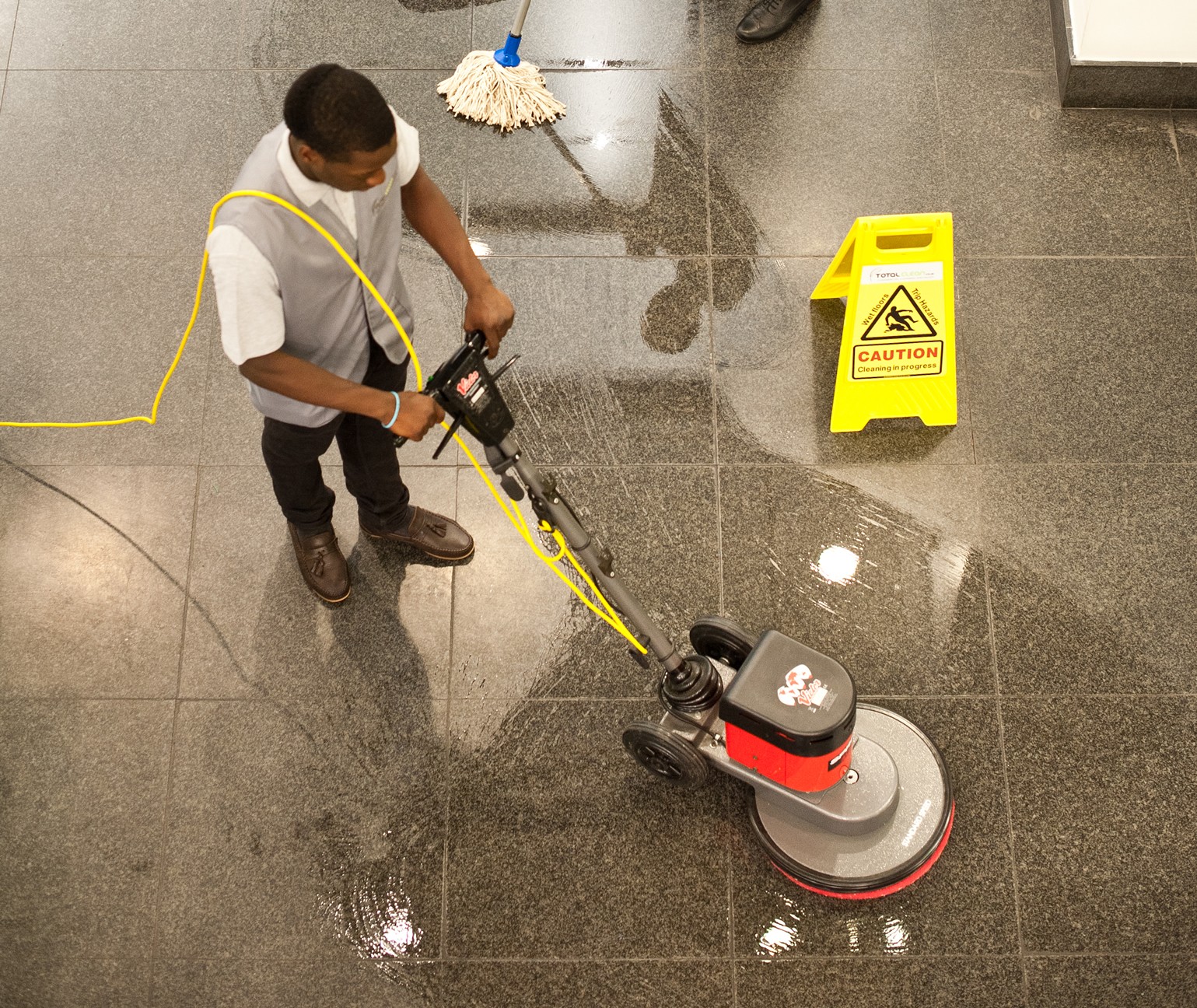
For commercial sites, car parks are not just functional space. They are the first and last impression. So the real question is not whether they should be cleaned. It is how often professional cleaning should happen to keep things safe, presentable, and compliant without wasting money on over servicing.
How often should they schedule professional cleaning for a typical commercial car park?
For many commercial car parks, a solid baseline is monthly professional cleaning, with lighter in-house checks happening weekly or even daily depending on footfall.
Monthly works because it catches the stuff that builds slowly. Fine litter that ends up in corners. Dust and grit that turns into slippery sludge when it rains. Early signs of weed growth along kerbs and fence lines. The place still feels maintained, and problems do not get time to become expensive, which is why facility managers often click here for car park cleaning to maintain safety, compliance, and presentation standards.
But “typical” only exists on paper. A small office car park with low turnover will not need the same frequency as a retail site where trolleys, spills, and fast moving traffic are constant.
What factors decide whether they need weekly, fortnightly, or monthly cleaning?
The cleaning schedule usually comes down to four things.
Traffic volume and dwell time. A busy retail park gets more litter, more tyre residue, and more random mess. Short stays tend to increase rubbish too. People drop coffee cups. Receipts. Packaging. It adds up fast.
Weather and local environment. Coastal sites deal with salt buildup. Tree-lined sites get leaf litter and sap. Windy areas collect debris in predictable “trap” zones.
Surface type and drainage. Porous surfaces can hold grime and oil differently than sealed asphalt. Bad drainage creates puddles, algae, and slip risk. Those sites often need more frequent attention.
Brand expectations and tenancy mix. A medical clinic, hotel, or premium mixed use site usually needs a cleaner look than a low traffic industrial lot. Tenants also complain quicker when customers are complaining to them. Click here for ACECQA childcare cleaning compliance Sydney insights.

How often should they arrange pressure washing for oil stains, gum, and heavy grime?
Pressure washing is not always needed every visit. In many cases, they should plan it quarterly, then adjust based on results.
Oil spots near entrances and around frequent turning zones may need targeted treatment more often. Gum and drink spills near pedestrian paths, lifts, stairwells, or pay machines can also justify monthly spot washing, even if the rest of the car park only gets a deep clean every few months.
A simple way to think about it is this. If the stains are becoming the “normal look” of the site, they have left it too long.
How often should they book sweeping and litter removal to keep it looking cared for?
If the car park is customer-facing, sweeping and litter removal often needs to be weekly, sometimes more. Not because it is dramatic work, but because visual mess multiplies. One overflowing bin becomes two. One corner of rubbish turns into the corner everyone uses.
For quieter sites, fortnightly sweeping can be enough, as long as someone is doing quick walk-through checks in between. Professional crews are usually faster and more thorough, especially around kerbs, drains, and edges where debris hides.
How often should they clean drains, gullies, and problem areas to prevent flooding and smells?
Drains do not fail all at once. They get slower. Then rain hits, and suddenly there is standing water where people step out of cars. Or water pushes debris back onto the surface. Or it smells, which is worse than most people expect.
A common cadence is twice a year for drain and gully clearing, with extra checks after autumn if there are trees nearby. High leaf fall areas can need quarterly attention.
If puddles linger for hours after rain, they should not wait for the next scheduled visit. That is already a performance issue, not a cosmetic one.
How often should they increase cleaning for safety and compliance reasons?
Some triggers mean they should escalate immediately, even if the calendar says they are not “due.”
They should increase professional cleaning frequency when there are:
- Slip hazards from algae, oil, or built-up grime in walkways
- Poor lighting made worse by dirty lenses, walls, or reflective markings
- Complaints about smells, pests, or excessive litter
- Visible mould or organic growth in shaded areas
- Evidence that line markings or signage are being obscured by dirt
Safety is not just about avoiding incidents. It is also about defensibility. If something happens, a clear maintenance record matters.
How often should they review the schedule instead of setting it once and forgetting it?
They should review the cleaning plan every 6 to 12 months, or sooner if the site changes.
New tenants can change traffic patterns overnight. A site that used to be quiet becomes a food destination, and suddenly there are spills and packaging everywhere. Construction nearby can dump dust and mud into the lot for months.
A good schedule is not fixed. It is adjusted based on what the site is actually doing.
What is a simple maintenance schedule they can start with?
If they want a starting point that works for most commercial sites, this is a practical baseline:
- Weekly: litter removal, bin area tidy, quick sweep of high-traffic zones
- Monthly: full professional sweep, edge and kerb cleaning, spot treatment for stains
- Quarterly: pressure washing of pedestrian routes and problem areas, gum removal as needed
- Biannually: drain and gully clearing, weeds and growth control, deeper detail clean
Then they should track complaints, photos, and incident reports for a couple of months. If everything stays calm and the place looks consistently cared for, they can scale down. If not, they scale up. Simple.
Car parks are one of those things. When they are maintained properly, nobody thinks about them. And that is kind of the point.

FAQs (Frequently Asked Questions)
How often should professional cleaning be scheduled for a typical commercial car park?
A solid baseline is monthly professional cleaning, complemented by lighter in-house checks weekly or daily depending on footfall. This frequency helps catch slowly building issues like fine litter, dust, and early weed growth to keep the car park maintained and prevent costly problems.
What factors determine whether a commercial car park needs weekly, fortnightly, or monthly cleaning?
The cleaning schedule depends on traffic volume and dwell time, weather and local environment, surface type and drainage, as well as brand expectations and tenancy mix. Busy retail parks with high turnover require more frequent cleaning than low-traffic office car parks.
How often should pressure washing be arranged for oil stains, gum, and heavy grime in a car park?
Pressure washing is typically planned quarterly but adjusted based on results. Targeted treatments near entrances or high-traffic turning zones may require more frequent attention. Monthly spot washing near pedestrian paths or pay stations can help prevent stains from becoming the ‘normal look’ of the site.
What is the recommended frequency for sweeping and litter removal to maintain a cared-for appearance?
For customer-facing car parks, sweeping and litter removal should occur weekly or more often to prevent visual mess from multiplying. Quieter sites may manage with fortnightly sweeping combined with quick walk-through checks. Professional crews ensure thorough cleaning around kerbs, drains, and edges where debris hides.
How often should drains, gullies, and problem areas be cleaned to prevent flooding and odors?
A common schedule is twice yearly drain and gully clearing with extra checks after autumn if trees are nearby. High leaf-fall areas might need quarterly attention. If puddles persist after rain for hours, immediate action is required as this indicates a performance rather than cosmetic issue.
When should cleaning frequency be increased for safety and compliance reasons?
Cleaning frequency should escalate immediately if slip hazards from algae or oil appear, lighting becomes poor due to dirt, complaints about smells or pests arise, visible mould grows in shaded areas, or line markings are obscured by dirt. Maintaining a clear record of these actions supports safety defensibility in case of incidents.